A durable exterior barrier stops mosquitoes before adult populations penetrate indoor family spaces. Properties situated near drainage basins in Rosewood, dense tree lines in Heathwood, or riparian channels near the…
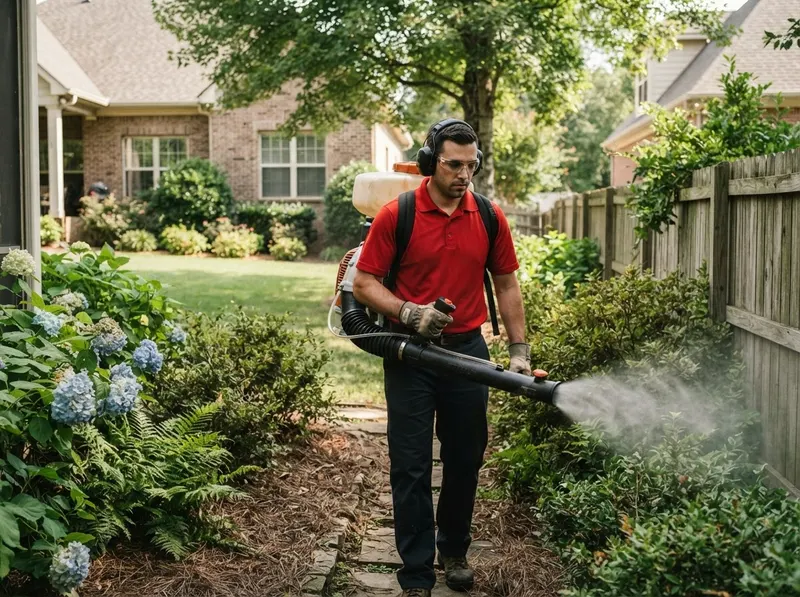
A durable exterior barrier stops mosquitoes before adult populations penetrate indoor family spaces. Properties situated near drainage basins in Rosewood, dense tree lines in Heathwood, or riparian channels near the South Carolina Sea Grant Consortium research waterways face heavy seasonal pressure from container-breeding insects. The primary vector in Richland County backyards is the Asian tiger mosquito, which deposits eggs in spaces holding less than an ounce of water. CopperVale Insect Defense fortifies residential boundaries by systematically neutralizing shaded vegetation resting sites, beneath deck boards, and around low-lying groundcover rather than performing indiscriminate interior chemical applications. Field protocols align with CDC integrated mosquito management guidelines to eliminate developmental habitats before larvae reach the biting adult stage.
Treatment selection depends on lot topography and specific drainage profiles. Single-event barrier sprays offer 21 to 30 days of adult suppression, suitable for large gatherings or isolated peak-emergence periods. Conversely, properties bordering moist canopy zones in Forest Acres or older properties with legacy stormwater retention in Shandon and Earlewood require sustained seasonal barrier programs with repeated interventions every 21 to 28 days from April through October. The trade-off between standalone applications and a continuous barrier schedule centers on lifecycle interruption: isolated treatments knock down existing adult flyers, whereas continuous suppression halts subsequent larval generations as temperatures stay elevated. All applications utilize targeted, synthetic pyrethroid or biological formulations regulated by the EPA mosquito control regulatory framework to establish a resilient protective perimeter that dries within 60 minutes.
Water-holding zones require precise physical and biological handling. Technicians survey downspout extensions, corrugated pipes, landscape basins, and under-deck voids across historic properties in Elmwood Park and Cottontown. In situations where standing water cannot be completely drained, treatments incorporate Bacillus thuringiensis israelensis (BTI), a naturally occurring soil bacterium validated by the Clemson Cooperative Extension for targeted dipteran control that does not disrupt birds, domestic pets, or beneficial pollinators. Property boundaries are reinforced in compliance with South Carolina Department of Health and Environmental Control vector management standards, providing homeowners documented application details with zero long-term subscription mandates.
Every job gets a firm, written price after a free on-site visit.
Tell us about your mosquito suppression program job in columbia and we'll send a clear, written quote, usually the same day.
 CopperVale Insect Defense